Replacing Your Roof? Here's Why Smart Homeowners Add Solar at the Same Time
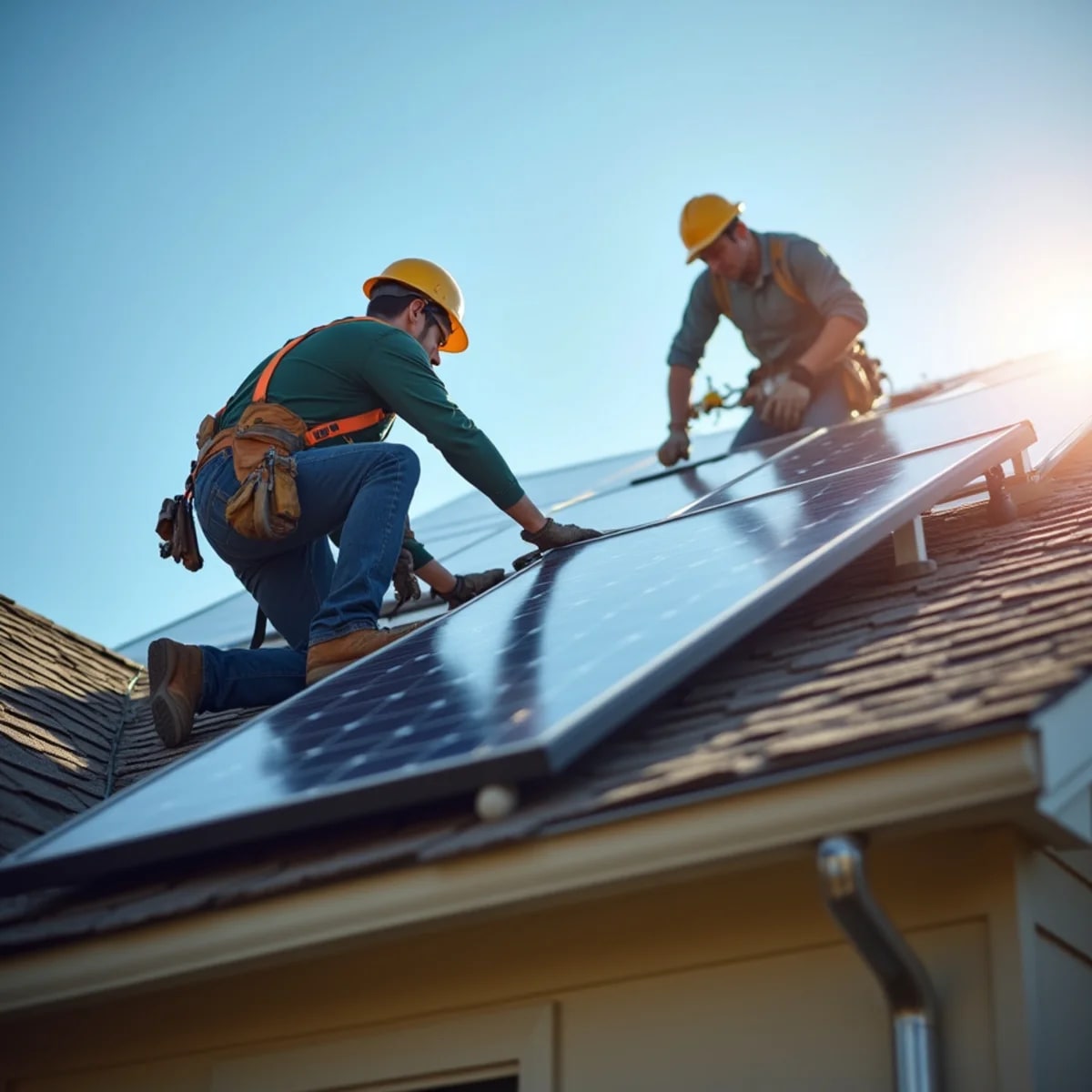
Solar panels installed on a Texas home are built to keep producing for 25 to 30 years. Here's the catch almost nobody thinks about until it's too late: if you bolt a modern solar array onto a roof that only has eight or ten years of life left in it, you've quietly created an expensive future problem. When that tired roof finally gives out, every panel has to come off, the roof underneath gets replaced, and the whole array goes back up — a bill that can climb into the thousands and was never in anyone's budget.
That's exactly why the smartest moment to go solar is the same season you replace your roof — and why having a roofer-led company run the project changes the entire equation. At SkyCloak, we start as roofers, so our first question is never "how many panels can we sell you?" It's "will this roof still be here in 25 years?" Here's how bundling roofing and solar actually works, and how to tell if it's right for your home.
One tear-off, one labor cost
The most obvious reason to combine the two projects is money. A roof replacement and a solar installation share a surprising amount of overhead — permitting, crew mobilization, roof access, and inspection scheduling among them. Run them as two separate jobs months apart and you pay for that overhead twice. Bundle them into one coordinated project and you pay it once. Here's where the savings and the sanity come from:
- One mobilization, not two. The same visit that tears off and rebuilds your roof sets the stage for the panels, so you're not paying two separate crews to show up on two different weeks.
- Cleaner, better-sealed mounts. Attachment points can be integrated as the new roof goes on, producing tighter, properly flashed penetrations instead of drilling into finished shingles later.
- A single point of accountability. When one company owns both the roof and the array, there's no finger-pointing if a leak ever appears near a mount — the classic headache when a solar contractor drills into someone else's roof.
- Your warranties start together. A fresh roof and a new solar system begin their clocks on the same day, instead of a 25-year array sitting on a roof that's already halfway through its life.
- Far less disruption. One planning phase, one set of permits, one cleanup — rather than living through the same upheaval a second time a few years down the road.
In practice, that means the crew handling your roof replacement and the team designing your solar system are working from the same plan, on the same structure, to the same standard — not negotiating with each other after the fact.
The roof-outlives-panels rule
If you remember one thing from this article, make it this: never install solar panels on a roof that has less life left than the panels do. It sounds obvious once you say it out loud, but it's the exact rule a solar-only salesperson has every incentive to skip past — because their product is the panels, not the thing holding them up.
The roof must outlast the panels
Solar panels on a Texas home are rated to produce for 25 years or more. If your shingles have only 8 to 12 years left, you will be paying to remove and reinstall the entire array long before the panels ever wear out. The roof underneath always has to outlive the system on top of it — no exceptions. A roofer-led company checks the roof first, on purpose.
This is the whole reason a roof inspection should come before any solar proposal, not after. Our relentless Texas sun bakes and ages shingles faster than the milder climates a lot of national solar brochures are written for, so "good enough" here is a higher bar. A free roof inspection gives you an honest read on how many years your current roof truly has left. If the answer is "not many," replacing it first isn't an upsell — it's the only way the solar investment makes sense.
Detach & reset explained
Want to see the price of getting the order wrong? It has a name in the trade: detach and reset (or "D&R"). It's what has to happen when a roof fails underneath an existing solar array — a crew carefully disconnects and removes every panel, stores the equipment, replaces the roof, then remounts and re-commissions the whole system. It's labor-intensive, it often requires the original solar company's involvement, and it can run into the thousands of dollars on a typical home. None of that produces a single extra watt of power.
Detach-and-reset is the bill you pay for installing panels in the wrong order. Replace the roof first, and it simply never comes.— SkyCloak Roofing & Solar
Bundling makes detach-and-reset a non-issue for decades. Your panels go onto a brand-new roof with a full lifespan ahead of it, so the next time anyone needs to touch that array is a long, long way off. That's peace of mind you can't retrofit later.
A quick word on incentives
Going solar can come with meaningful financial incentives, and they're worth understanding — but they change, and we're roofers, not tax advisors, so treat this as a map rather than advice. At the time of writing, there is a 30% federal Investment Tax Credit (ITC) available for qualifying residential solar installations. On top of that, Texas homeowners may find state or local utility rebates, buyback programs, or property-tax exemptions — and these programs get added, reduced, or retired regularly.
There's also a bundling angle worth raising with a professional: because certain roof work can be integral to a solar installation, some homeowners ask how those costs interact with available incentives. Whether any of this applies to your situation depends on current law and your own finances, so confirm the details with a qualified tax professional before you count on any credit or rebate. We'll gladly document exactly what work was performed; your tax advisor handles the rest.
Is bundling right for you?
Bundling isn't automatically the right move for every home — it depends mostly on the age and condition of your existing roof. Here's a simple way to place yourself:
- Your roof is 15+ years old, worn, or storm-damaged. This is the ideal case. Replace and go solar together, and you capture every bit of the shared savings while starting both warranties fresh.
- Your roof is already on your replacement list. Adding solar now costs far less than adding it later, once you're already paying for the tear-off and the crew is on site.
- Your roof is nearly new and in great shape. Bundling matters less here — a quality recent roof can often accept panels on its own. We'll tell you that honestly rather than sell you a roof you don't need.
The only way to know which bucket you're in is to have someone look at the actual roof — not a satellite image. If you're weighing the numbers, our Fort Worth roof replacement cost guide is a good companion read for the roofing half of the decision.
Written by the SkyCloak Roofing & Solar team
Practical roofing advice from the Fort Worth crew that's actually up on the roof, led by owner Shawn Cummings. We write what we'd tell our own neighbors — no sales fluff. Meet the team →
Frequently Asked Questions
Related Reading
All articles Costs
CostsHow Much Does a Roof Replacement Cost in Fort Worth? (2026 Guide)
A clear, no-hype breakdown of what a new roof actually costs in Fort Worth in 2026 — by material, what moves the price, and how to get an exact number.
Read article Storm Damage
Emergency Roof Tarping: What It Is, What It Costs, and When You Need It
A calm, safety-first guide to emergency roof tarping in Fort Worth — what a tarp actually protects, why you shouldn't climb a wet roof, what it costs, and how it fits your claim.
Read article Storm Damage
What to Do in the First 48 Hours After a Texas Hailstorm
A hailstorm just rolled through — now what? A calm, step-by-step guide to the first 48 hours: staying safe, documenting damage, filing your claim, and steering clear of storm-chaser scams.
Read articleWhy homeowners trust us
Our Promise to You
No pressure, no gimmicks, no storm-chasing. Here's what every SkyCloak customer can count on — in writing.
- Free 21-point roof inspections
- Honest, repair-first recommendations
- Adjuster-ready photo documentation for claims
- In-house, background-checked crews
- Manufacturer warranties registered in your name
- Magnetic nail cleanup & final walkthrough
Fully Insured — General Liability Coverage
Proof of insurance provided before any work begins — just ask.
Free inspections
Put this advice to work on your roof
A free, no-pressure SkyCloak inspection turns everything you just read into a clear plan for your home — with photos and honest options.