Emergency Roof Tarping: What It Is, What It Costs, and When You Need It
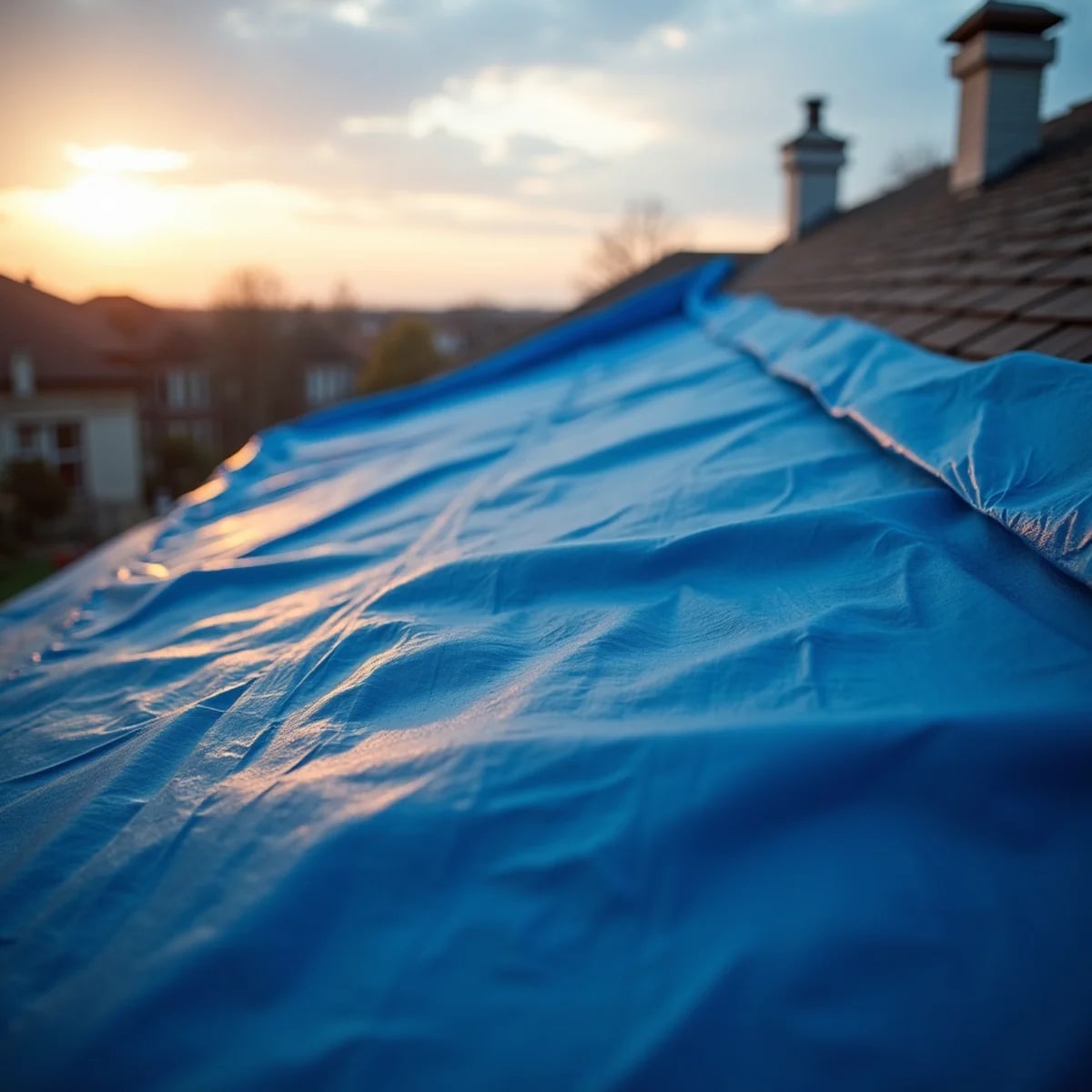
A storm rolls through Fort Worth, and by the time it passes you're staring at a missing section of shingles, a tree limb through the deck, or a water stain spreading across the ceiling. The rain may not be finished, a full repair can't happen tonight, and every hour that water keeps getting in makes the damage worse. This is the exact situation emergency roof tarping is built for.
A tarp isn't a repair — it's a shield. Installed correctly, it stops water at the point of entry and buys you the days you need to get a permanent fix scheduled, an insurance adjuster out, and the work done right. Below is a straight explanation of what tarping does, what it should cost, how it fits into a claim, and why climbing a wet, storm-damaged roof yourself is a risk that simply isn't worth it.
What tarping actually does
Think of a tarp as damage control, not a solution. When your roof's outer layer is breached — by hail, wind-lifted shingles, or a fallen limb — the real threat isn't the hole itself. It's the water that pours through it into your attic, insulation, drywall, wiring, and everything you own below. A single night of unchecked intrusion can turn a modest repair into a gut-and-replace project involving mold remediation and ruined ceilings.
A properly installed emergency tarp seals the breach so the inside of your home stays dry until a crew can make the permanent repair. Done right, it's not a bedsheet thrown over a hole and weighed down with bricks. A professional tarp job includes:
- Heavy-duty, UV-rated poly tarps sized to overlap the damaged area well past its edges, not just cover the visible hole.
- Anchoring at the ridge, so water runs over the tarp instead of under it — the single most common thing DIY jobs get backwards.
- Secured wooden furring strips or sandbags that hold the tarp against Texas wind gusts without creating new nail holes in sound roofing.
- Sealed edges and fasteners so the fix itself doesn't become a new leak point.
A good tarp doesn't just cover the damage — it channels water away from it. Get the overlap direction wrong and you've built a funnel straight into the attic.— SkyCloak emergency crew lead
The dangers of DIY tarping
We understand the instinct to get up there and stop the leak yourself, especially at night with water coming in. Please don't. Roof falls are among the most common causes of serious home-repair injuries, and after a storm every risk factor is stacked against you.
Do not climb a wet or storm-damaged roof
A rain-soaked roof is dangerously slick, and hail or high wind may have weakened the decking underneath until it can no longer hold your weight — damage you often can't see from on top. Add darkness, gusting wind, and possibly downed power lines, and a manageable leak becomes a trip to the ER. No tarp is worth a fall from that height. If water is actively coming in, move valuables clear, set out buckets, and call a professional who has the fall-protection gear and training to handle it safely.
There's also a financial reason to wait for a pro. An improperly installed tarp can lift in the next gust, drive water deeper into your home, or damage otherwise-healthy shingles — and insurers can push back on claims where well-meaning DIY work made the loss worse. Fast, safe, and correct beats fast and sorry.
What emergency tarping typically costs
For most Fort Worth homes, professional emergency tarping typically runs a few hundred dollars. A handful of factors move that number:
- The size of the damaged area and how much of the roof needs coverage.
- Roof pitch and height — a steep, multi-story roof takes more time and safety setup than a low ranch-style roof.
- Access and conditions — a call at 2 a.m. in ongoing weather is more involved than a dry afternoon.
- The materials needed to anchor the tarp securely against the next round of wind.
That's a small fraction of what interior water damage costs once a breach is left open overnight — which is exactly why tarping is rarely money wasted. And in many cases, you may not carry that cost for long.
Does insurance cover it
Here's the part many homeowners miss: most policies don't just allow emergency tarping — they expect it. Your homeowners policy almost certainly includes a 'duty to mitigate,' meaning you're responsible for taking reasonable steps to prevent further damage after a covered event. Tarping a breached roof is the textbook example.
In a covered claim, the cost of emergency tarping is often reimbursable as part of your loss. To protect that reimbursement:
- Photograph the damage before and after the tarp goes on.
- Keep every receipt and invoice for the emergency work.
- Report the claim promptly, and tell your adjuster the roof was tarped to prevent further loss.
- Don't authorize permanent repairs until the adjuster has documented the damage — the tarp is what makes that pause safe.
We handle storm claims every week and can document everything the right way from the very first visit. If you're early in the process, our storm damage roof repair team can walk the entire claim with you, and our guide on what to do after a Texas hailstorm lays out the full sequence step by step.
How fast we respond
When water is coming in, response time is everything — so SkyCloak runs a genuine 24/7 emergency line. Storms don't keep business hours, and neither do we.
Call (833) 766-3030 and you'll reach a real person who can dispatch a crew to get a secure tarp in place, often the same day or night. Once the weather clears and your home is protected, we'll schedule a free, no-pressure inspection to assess the full extent of the damage and map out the permanent repair. When the work can't wait, our emergency roof repair team handles both the tarp and the fix that follows.
Written by the SkyCloak Roofing & Solar team
Practical roofing advice from the Fort Worth crew that's actually up on the roof, led by owner Shawn Cummings. We write what we'd tell our own neighbors — no sales fluff. Meet the team →
Frequently Asked Questions
Related Reading
All articles Storm Damage
What to Do in the First 48 Hours After a Texas Hailstorm
A hailstorm just rolled through — now what? A calm, step-by-step guide to the first 48 hours: staying safe, documenting damage, filing your claim, and steering clear of storm-chaser scams.
Read article Costs
CostsHow Much Does a Roof Replacement Cost in Fort Worth? (2026 Guide)
A clear, no-hype breakdown of what a new roof actually costs in Fort Worth in 2026 — by material, what moves the price, and how to get an exact number.
Read article Solar
SolarReplacing Your Roof? Here's Why Smart Homeowners Add Solar at the Same Time
Going solar and replacing your roof are two jobs that belong together. Here's how a roofing and solar bundle saves money — and why a roofer-led company makes sure the roof outlives the panels.
Read articleWhy homeowners trust us
Our Promise to You
No pressure, no gimmicks, no storm-chasing. Here's what every SkyCloak customer can count on — in writing.
- Free 21-point roof inspections
- Honest, repair-first recommendations
- Adjuster-ready photo documentation for claims
- In-house, background-checked crews
- Manufacturer warranties registered in your name
- Magnetic nail cleanup & final walkthrough
Fully Insured — General Liability Coverage
Proof of insurance provided before any work begins — just ask.
Free inspections
Put this advice to work on your roof
A free, no-pressure SkyCloak inspection turns everything you just read into a clear plan for your home — with photos and honest options.