Does Homeowners Insurance Cover Roof Replacement in Texas?
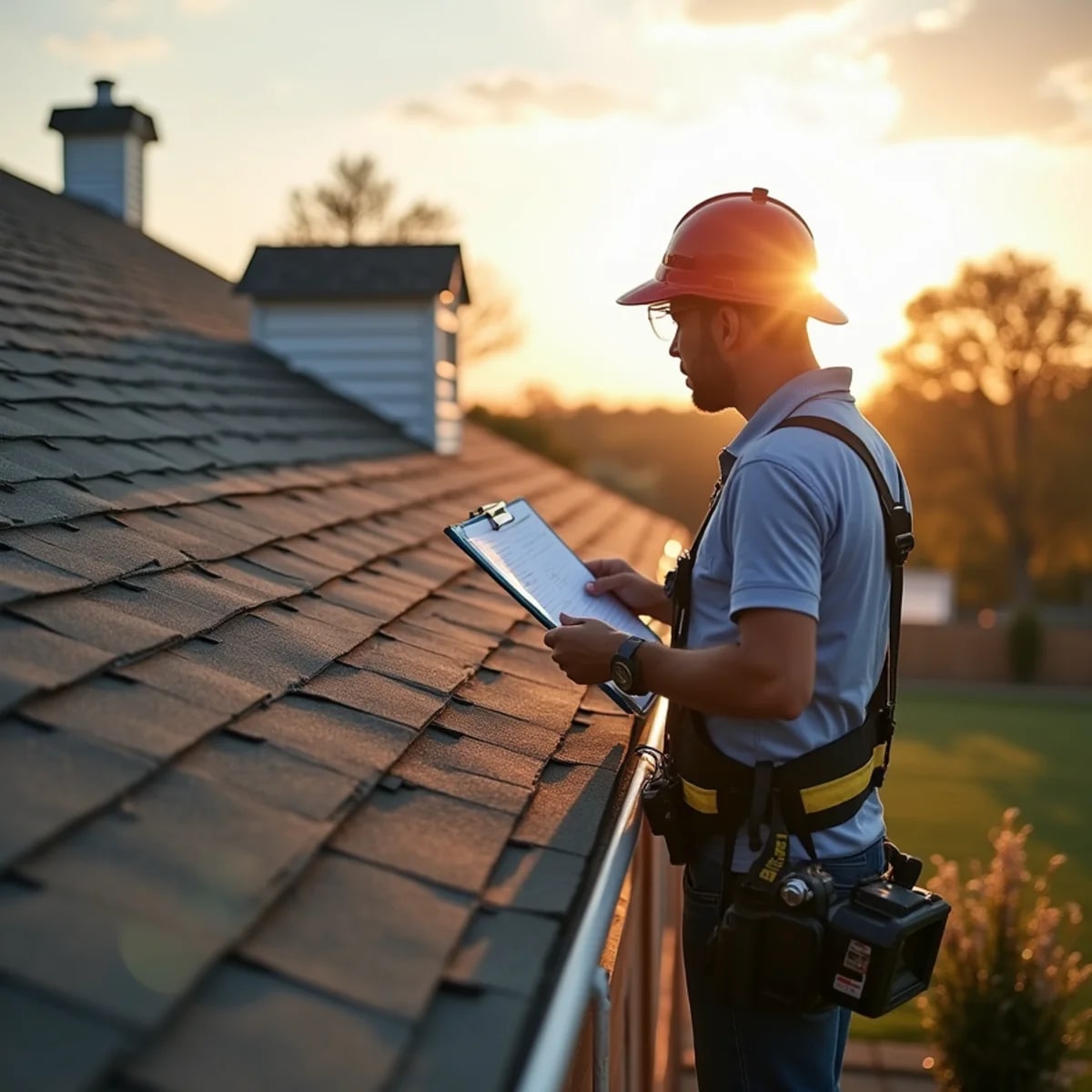
If a hailstorm just chewed up your shingles, the first question is usually the most stressful one: is any of this covered, or am I about to write a five-figure check? For most Texas homeowners the honest answer is *it depends* — on your policy, on what caused the damage, and on how well that damage gets documented. This guide covers what a standard Texas policy typically pays for, the two very different ways insurers settle, and the deadlines and pitfalls that trip people up.
One thing up front: SkyCloak is a roofing contractor, not an insurance company. We don't approve claims, set payouts, or decide what your policy covers — your insurer does. What we can do is inspect your roof honestly, document what a storm did, and build a repair that matches the approved scope. None of this is legal or insurance advice; for your coverage specifics, read your policy and talk to your agent or adjuster.
What homeowners insurance typically covers
Most standard Texas homeowners policies (often an HO-3 or HO-B form) cover roof damage caused by sudden, accidental events — what the industry calls "covered perils." In North Texas that overwhelmingly means hail and wind, but it can include other events too:
- Hail damage — bruising, cracked shingles, and granule loss from a storm. This is the big one around Fort Worth, which sits squarely in what insurers call "Hail Alley."
- Wind damage — shingles lifted, creased, or torn off by high winds or a downburst.
- Fallen trees or debris — a limb punching through the roof during a storm is generally covered.
- Fire, lightning, and weight of ice — sudden damage from these perils is typically covered.
What insurance usually will not cover is damage from age, wear, or neglect. A 22-year-old roof that's simply worn out, or leaks from years of skipped maintenance, is the homeowner's responsibility — not a sudden loss. That's why the *cause* matters so much, and why an inspection tying the damage to a specific storm is so valuable.
ACV vs. RCV explained simply
Here's where a lot of homeowners get surprised at the mailbox. Two policies can both "cover" your roof and pay very differently, because of how they handle depreciation — through Actual Cash Value (ACV) or Replacement Cost Value (RCV). Knowing which one you carry changes your out-of-pocket math completely.
ACV vs. RCV, in plain English
Replacement Cost Value (RCV) pays what it costs to replace your roof today — usually in two parts: an upfront check for the depreciated amount, then the withheld "recoverable depreciation" once the work is finished and invoiced. Actual Cash Value (ACV) pays the depreciated value only — replacement cost minus wear for the roof's age — and you cover the rest. On an older roof, that depreciation gap can be thousands of dollars.
| RCV policy | ACV policy | |
|---|---|---|
| Replacement cost today | $14,000 | $14,000 |
| Depreciation for age/wear | $4,000 (recoverable) | $4,000 (not paid) |
| You typically pay | Deductible only | Deductible + $4,000 |
Neither one is a scam — RCV policies cost a bit more in premium, ACV policies cost less. The point is simply to know which one you carry before a storm hits. You'll find it on your declarations page, or your agent can tell you in a quick phone call.
Claim deadlines and the date of loss
Insurance claims are time-sensitive. Your policy lists a deadline for filing after a loss, and Texas law separately limits how long you have to pursue a claim. Don't sit on storm damage. The longer you wait, the harder it is to tie the damage to a specific storm — and the easier it becomes for an insurer to call it ordinary wear and tear.
Your date of loss is the date the storm actually happened — not the day you noticed the damage or filed the claim. If hail rolled through in April but you don't spot the granule loss until July, your date of loss is still that April storm. Local weather records and hail maps help pin it down. When in doubt, call your insurer and ask about the filing window for your policy; deadlines vary, and missing one can sink an otherwise valid claim.
How documentation wins claims
The difference between a denied claim, a partial repair, and a full roof replacement often comes down to one thing: how well the damage is documented. Adjusters approve what they can see and verify — a thorough report gives them exactly that.
- Photograph everything, dated. Close-ups of hail hits and wind creasing, plus wide shots showing the pattern across every slope.
- Get a professional inspection in writing. A report that ties the damage to a storm and its date carries far more weight than homeowner phone photos — a free professional roof inspection is the fastest way to get one.
- Document collateral damage. Dented gutters, screens, downspouts, AC fins, and fence caps all corroborate a real hailstorm.
- Keep your paperwork. Save the adjuster's report, your estimate, and receipts — RCV depreciation is only recoverable once the completed work is invoiced.
- Ask for a re-inspection if the scope seems off. If an approval covers only a slope or two but the whole roof took a beating, you can request another look.
You have the right to be present when the adjuster inspects, and having your roofer walk the roof at the same time helps make sure nothing gets missed. A free storm damage inspection before the adjuster arrives means you already know what's up there.
How SkyCloak helps
We're roofers, so here's the honest version. We give you a free, no-pressure storm inspection and a straight verdict — including telling you when the damage *isn't* worth a claim. When there is a legitimate claim, we document the damage thoroughly, meet your adjuster on-site, and build the roof replacement to the approved scope with quality materials and a clean, warrantied install.
What we don't do is decide your claim, promise an outcome, or handle the insurance side for you — those calls belong to you and your insurer. We can't waive your deductible, and we won't pad an estimate to get more approved. A good contractor just makes your damage easy for an adjuster to understand.
Avoiding deductible-fraud red flags
After a big Texas storm, out-of-town "storm chasers" show up fast, and some make offers that sound generous but can land you in real trouble. In Texas it's illegal for a contractor to waive, rebate, or absorb your insurance deductible — and going along with it can expose you to fraud liability, too.
Walk away if a roofer says this
"We'll waive your deductible." "The roof is free — insurance covers everything." "Just sign here and we'll handle the whole claim for you." These are red flags. A legitimate roofer collects your deductible, gives you an itemized estimate, and never pressures you to sign over your claim rights before you've read the paperwork.
A roof is a decade-long investment. The contractor who's still around to honor the warranty is worth far more than the one who promised you a free roof and a waived deductible.
Handled right, a storm claim can put a quality new roof over your family for close to the cost of your deductible; handled carelessly, it can leave you with a denied claim. The best first step is simple: get an honest, local set of eyes on your roof.
Written by the SkyCloak Roofing & Solar team
Practical roofing advice from the Fort Worth crew that's actually up on the roof, led by owner Shawn Cummings. We write what we'd tell our own neighbors — no sales fluff. Meet the team →
Frequently Asked Questions
Related Reading
All articles Storm Damage
7 Signs of Hail Damage on Your Roof (Most Are Invisible From the Ground)
The seven things a roofer actually looks for after a North Texas hailstorm — and why almost none of them show up from your driveway.
Read article Storm Damage
Emergency Roof Tarping: What It Is, What It Costs, and When You Need It
A calm, safety-first guide to emergency roof tarping in Fort Worth — what a tarp actually protects, why you shouldn't climb a wet roof, what it costs, and how it fits your claim.
Read article Costs
CostsHow Much Does a Roof Replacement Cost in Fort Worth? (2026 Guide)
A clear, no-hype breakdown of what a new roof actually costs in Fort Worth in 2026 — by material, what moves the price, and how to get an exact number.
Read articleWhy homeowners trust us
Our Promise to You
No pressure, no gimmicks, no storm-chasing. Here's what every SkyCloak customer can count on — in writing.
- Free 21-point roof inspections
- Honest, repair-first recommendations
- Adjuster-ready photo documentation for claims
- In-house, background-checked crews
- Manufacturer warranties registered in your name
- Magnetic nail cleanup & final walkthrough
Fully Insured — General Liability Coverage
Proof of insurance provided before any work begins — just ask.
Free inspections
Put this advice to work on your roof
A free, no-pressure SkyCloak inspection turns everything you just read into a clear plan for your home — with photos and honest options.