The 5-Minute DIY Roof Health Check (From the Ground, Safely)
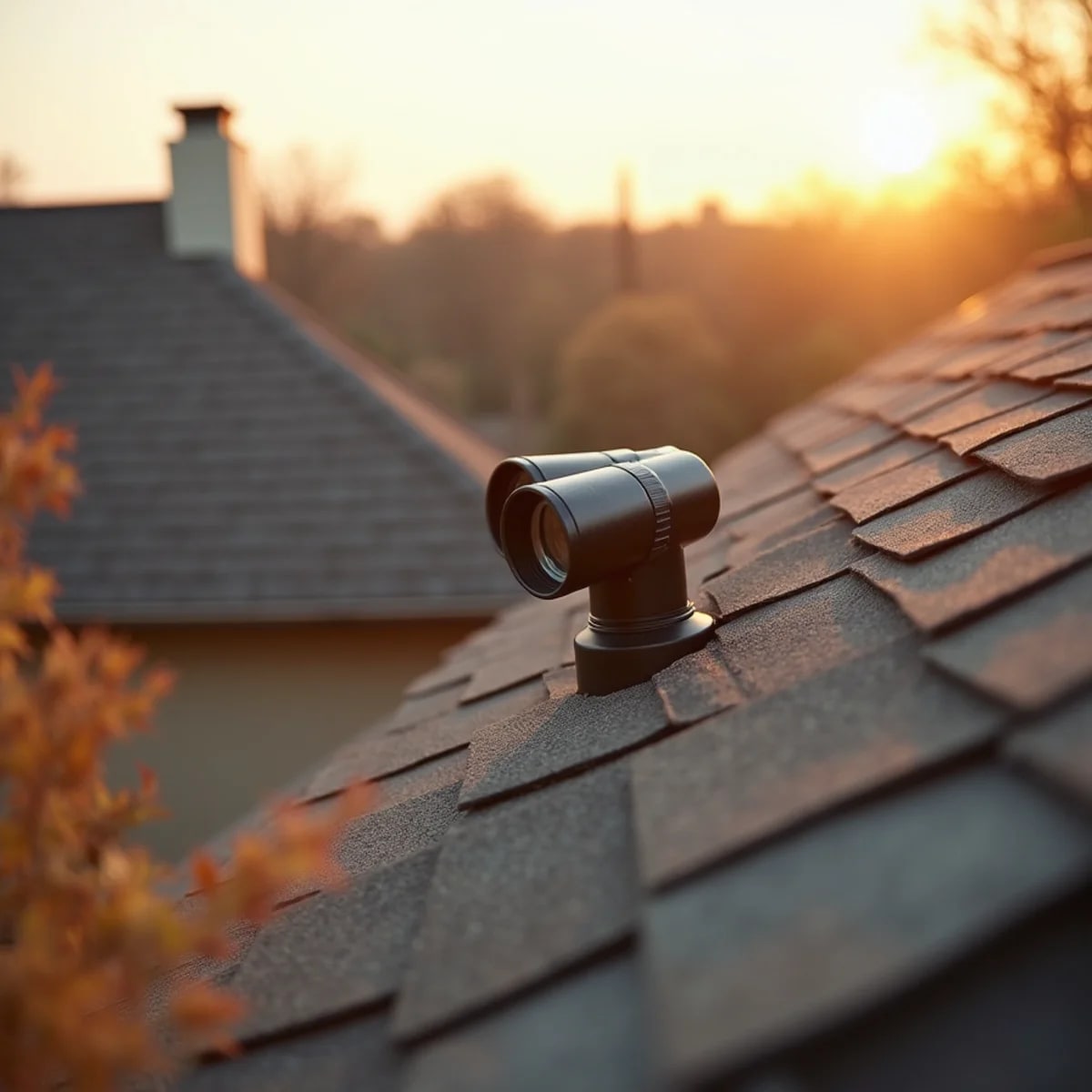
Your roof is the most important system on your house — and also the one you look at least. Most Fort Worth homeowners never give it a thought until a ceiling stain appears or a storm sends a shingle skating into the yard. The good news: you can catch the majority of early roof problems yourself in about five minutes, with no ladder, no climbing, and no special tools beyond a pair of binoculars.
That's the whole idea — it's a ground-level inspection, done entirely from where it's safe to stand. You don't need to be on the roof to spot trouble; you just need to know what to look for. Below is the walk-around we wish every homeowner did twice a year, plus the interior clues that say it's time to call a pro.
Here's the entire checkup at a glance. Each step is explained in detail below, and the whole thing takes about five minutes:
- Walk the perimeter with binoculars and scan every slope for missing, curled, cracked, or dented shingles, sagging rooflines, and damaged flashing.
- Check the gutters and downspout splash zones for granule buildup that looks like coarse black sand.
- Look for daylight in the attic on a bright day — any light coming through the decking is a path water can take too.
- Scan the attic for stains, wet insulation, or a musty smell that point to a past or active leak.
- Walk your top-floor rooms and look for ceiling spots, peeling paint, or bubbling drywall.
The binocular check
Grab a pair of binoculars — your phone's camera zoom works in a pinch — and walk a slow lap around your house. Stand back far enough to see each slope clearly, usually 20 to 30 feet, and look for anything that breaks the neat, uniform pattern of the shingles. A healthy roof looks flat and even; damage almost always shows up as a break in that pattern.
Here's what to scan for from the ground:
- Missing, cracked, or curling shingles. Gaps read as dark patches where the layer underneath is exposed; curled or lifted edges mean shingles are aging or wind-worn.
- Bald spots and shiny streaks. Smoother, darker areas mean the protective granules have worn off — a shingle near the end of its life.
- Dented or bruised shingles after a storm. Hail leaves random dark pockmarks where granules were knocked loose. In North Texas, this is the big one.
- Sagging rooflines. A dip or wave in a line that should be straight can signal a moisture or structural problem underneath — call promptly.
- Damaged flashing and boots. Rusted, lifted, or cracked metal around chimneys, vents, and pipes is a leak waiting to happen.
Snap photos as you go — a dated set is gold if you ever file a storm claim.
Please stay on the ground
We mean it — do not climb onto your roof or up a ladder to inspect it. Ladder and roof falls send hundreds of thousands of people to the ER every year, and a surface that looks solid can hide slick spots, weak decking, and loose granules that roll like ball bearings underfoot. Everything here is done with both feet on the grass — if something needs a closer look, that's what a professional's harness, training, and free inspection are for.
Granules in the gutters
After you've scanned the roof, look — from the ground, no ladder — at your gutters and the splash zones under your downspouts. Asphalt shingles are coated in fine mineral granules that shield them from the Texas sun. As a roof ages or takes a beating from hail, those granules wash off and collect below.
A few granules are normal, especially on a newer roof still shedding loose material. But piles of granules that look like coarse black sand — or a shingle-colored buildup where your downspouts drain — mean your shingles are losing their protective layer faster than they should. Paired with bald spots from the binocular check, heavy granule loss is one of the clearest signs a roof is wearing out.
A roof usually tells you it's failing long before it actually leaks — most homeowners just aren't looking at the right clues.— SkyCloak Roofing & Solar
Attic daylight & stains
Your attic is the one place you can safely see the underside of your roof — and one of the most honest indicators you have. Pick a bright day, head up with a flashlight, and keep it off for the first look. Two things to watch for:
- Daylight coming through. Pinpoints or thin streaks of sunlight through the decking mean water can get in the same way — mark the spots to point out later.
- Water stains and dark streaks. Brown or black discoloration on the wood, damp insulation, or a musty smell all point to a leak. Sagging decking or fuzzy mold growth are serious red flags.
Do the daylight scan with the flashlight off first — sunlight through a tiny hole is far easier to catch in the dark — then switch it on to inspect the wood. And stay on the joists or a floored section the whole time; never step between them onto the ceiling drywall below.
Ceiling & wall signs inside
Some of the earliest roof warnings show up nowhere near the roof. Walk through your rooms — especially those on the top floor — and look up at the ceilings and along the walls.
- Ceiling stains or spots. Yellowish-brown rings or blotches, particularly near an exterior wall or a chimney, usually mean water is getting in above.
- Peeling paint or bubbling drywall. Trapped moisture makes paint blister and drywall soften, sag, or bulge.
- A jump in your energy bills. A damaged or poorly ventilated roof lets conditioned air escape, so an unexplained summer cooling spike can trace back to the roof.
On their own, none of these prove a roof problem — a plumbing leak can mimic a ceiling stain — but paired with what you found outside and in the attic, they help you tell a small fix from a real one.
When DIY stops and a pro starts
A ground-level check is great for catching problems early, but it has a limit: you can only see so much from the yard, and the priciest damage often hides where you can't look. Your DIY inspection isn't a replacement for a professional one — it tells you when to book one.
Call a professional right away if you find any of these:
- Missing shingles, visible sagging, or daylight in the attic
- Water stains inside or in the attic, or an active leak during rain
- Widespread granule loss or hail bruising after a storm
- Damaged or lifted flashing around chimneys, vents, or valleys
Even if your check comes back clean, it's smart to have the roof professionally looked at once a year — the subtle damage a trained eye catches up close is exactly what turns into a five-figure repair when it's ignored. At SkyCloak, our professional roof inspections are free and thorough, with honest photos and a written report — no pressure, no scare tactics. If we find something, our roof repair team will walk you through the fix and, when a storm's involved, help you document it for insurance. And since North Texas storm season is relentless, if hail has rolled through recently it's worth learning the signs of hail damage before a bruised shingle becomes a leak.
Written by the SkyCloak Roofing & Solar team
Practical roofing advice from the Fort Worth crew that's actually up on the roof, led by owner Shawn Cummings. We write what we'd tell our own neighbors — no sales fluff. Meet the team →
Keep exploring
Frequently Asked Questions
Related Reading
All articles Storm Damage
7 Signs of Hail Damage on Your Roof (Most Are Invisible From the Ground)
The seven things a roofer actually looks for after a North Texas hailstorm — and why almost none of them show up from your driveway.
Read article Storm Damage
Emergency Roof Tarping: What It Is, What It Costs, and When You Need It
A calm, safety-first guide to emergency roof tarping in Fort Worth — what a tarp actually protects, why you shouldn't climb a wet roof, what it costs, and how it fits your claim.
Read article Costs
CostsHow Much Does a Roof Replacement Cost in Fort Worth? (2026 Guide)
A clear, no-hype breakdown of what a new roof actually costs in Fort Worth in 2026 — by material, what moves the price, and how to get an exact number.
Read articleWhy homeowners trust us
Our Promise to You
No pressure, no gimmicks, no storm-chasing. Here's what every SkyCloak customer can count on — in writing.
- Free 21-point roof inspections
- Honest, repair-first recommendations
- Adjuster-ready photo documentation for claims
- In-house, background-checked crews
- Manufacturer warranties registered in your name
- Magnetic nail cleanup & final walkthrough
Fully Insured — General Liability Coverage
Proof of insurance provided before any work begins — just ask.
Free inspections
Put this advice to work on your roof
A free, no-pressure SkyCloak inspection turns everything you just read into a clear plan for your home — with photos and honest options.