Class 4 Impact-Resistant Shingles: Worth It in Hail Alley?
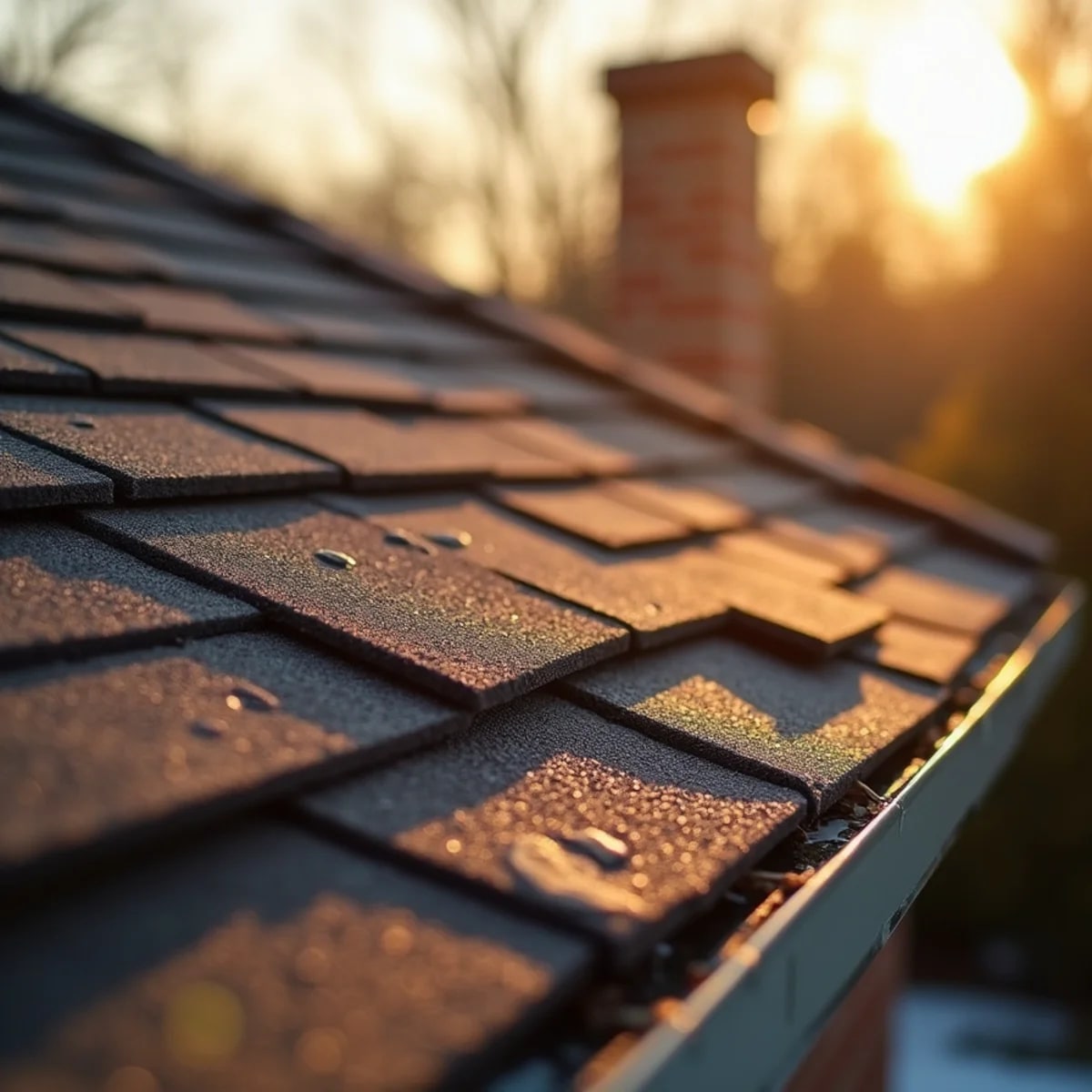
If you own a home anywhere along the Fort Worth stretch of the I-35 corridor, you live in what the insurance industry quietly calls Hail Alley — one of the most hail-battered regions in the country. North Texas gets pounded nearly every spring, and for a lot of homeowners that means a roof claim every few years. So when a roofer brings up upgrading to Class 4 impact-resistant shingles, the real question isn't whether they're tougher. It's whether the extra money actually pays you back.
Class 4 shingles aren't marketing hype — they're a defined product category with a real engineering standard behind them. But they're not magic either, and they're not the right call for every roof or every budget. Here's our honest breakdown: what the rating means, what the upgrade costs in the Fort Worth market, how it may affect your insurance, and — just as important — who can comfortably skip it.
What UL 2218 and "Class 4" actually mean
"Impact-resistant" only means something when it's tied to a test. The one that matters is UL 2218, an Underwriters Laboratories standard that measures how well a roofing material survives a direct hit. In the lab, technicians drop steel balls of increasing size onto shingle samples and inspect the back of the mat for cracks, splits, or ruptures.
Shingles earn a rating from Class 1 (weakest) up to Class 4 (strongest). To hit the top rating, a shingle has to take a 2-inch steel ball dropped from 20 feet — struck twice in the same spot — without cracking on the underside. That's roughly the energy of a large hailstone, and it's the toughest asphalt shingle you can buy off the shelf.
What the UL 2218 rating really certifies
UL 2218 measures impact resistance in a controlled lab, not a hail guarantee in your yard. A Class 4 shingle passes only if the back of the mat shows no crack or rupture after a 2-inch steel ball is dropped from 20 feet onto the same spot twice. Class 4 is the highest of four tiers. Key caveat: the rating certifies resistance to cracking and splitting — it does not promise your roof will never show a cosmetic dent or that you'll never file another claim.
The cost delta
Here's the good news for Fort Worth homeowners: Class 4 is one of the more affordable upgrades in roofing. Because you're still installing asphalt shingles, you aren't jumping to an entirely different material — you're stepping up within the same family. Standard architectural shingles usually carry a Class 3 rating (or none), while impact-resistant lines are specifically engineered and certified to Class 4.
| Shingle type | Installed cost / sq. ft. | UL 2218 rating |
|---|---|---|
| 3-Tab Asphalt | $3.50–$5.00 | Class 1–2 (or none) |
| Architectural (standard) | $4.50–$7.00 | Class 3 (or none) |
| Class 4 Impact-Resistant | $5.50–$8.00 | Class 4 (highest) |
On an average Fort Worth roof, moving from a standard architectural shingle to a Class 4 line typically adds roughly $1,000 to $2,500 to the total — a real number, but a small slice of a full replacement. The smartest way to size it up is to have both options priced side by side on the same estimate. If you're already planning a roof replacement, adding the Class 4 line item costs almost nothing extra in labor since the crew is on the roof either way.
Insurance discounts — the part everyone asks about
This is where the math often tips in Class 4's favor. Many Texas insurers offer a premium discount for homes with a certified Class 4 roof, because a tougher roof means fewer claims for them. That said, the discount varies widely — by carrier, by policy, and by ZIP code — so treat any specific percentage you hear as a ballpark, not a promise. A few things to know before you count on it:
- It varies by insurer. Some carriers offer a meaningful annual discount; others offer little or none. Ask your agent for your specific number in writing before you decide.
- You'll likely need proof. Insurers typically want manufacturer documentation showing the exact product installed carries a UL 2218 Class 4 rating, so keep your certification paperwork.
- The savings stack over time. Even a modest yearly premium reduction adds up across the 25–30 year life of the roof — that's what can make the upfront cost pencil out.
- A discount is not a deductible waiver. If hail damages a Class 4 roof, you still file a normal claim and pay your deductible. The shingle is simply far less likely to be damaged in the first place.
Who should upgrade
For a lot of North Texas homeowners, Class 4 is an easy yes. You're a strong candidate if you're already replacing your roof (the incremental cost is small), if you plan to stay in the home long enough to collect years of insurance savings, or if you're simply tired of the claim cycle. If you've repaired or replaced your roof after hail more than once, a tougher shingle is one of the few reliable ways to break that pattern — and to sleep better when the spring sirens go off.
Who can skip it
Class 4 isn't the right answer for everyone, and we'll tell you when it isn't. You can reasonably skip the upgrade if you're planning to sell within a couple of years — you'll pay the premium but won't be around to collect the insurance savings that justify it. It's also a weaker case if your carrier offers no Class 4 discount at all, since you'd be paying purely for durability. And if you're replacing a roof out of pocket on a tight budget after a storm, a quality standard architectural shingle is still a perfectly good roof. Class 4 is an upgrade, not a requirement.
Our honest take
In Hail Alley, Class 4 shingles are one of the few upgrades we recommend to most homeowners without hesitation — but only for the right reasons. The durability is real and lab-verified, the cost bump is modest relative to the whole job, and the potential insurance savings often make it close to a wash over the life of the roof.
Just don't buy them expecting a force field. Even a Class 4 roof can take cosmetic hits in a severe storm, so after every big one you'll still want a pro to check for hail damage. The smartest move is simple: get both options priced on one estimate, call your agent for your specific discount, and compare the real numbers for your home. That's a 15-minute exercise that can pay off for the next 30 years.
Written by the SkyCloak Roofing & Solar team
Practical roofing advice from the Fort Worth crew that's actually up on the roof, led by owner Shawn Cummings. We write what we'd tell our own neighbors — no sales fluff. Meet the team →
Transparent pricing
Estimate Your Roof Replacement Cost
Most Fort Worth roofers won't give you a number. Get an honest ballpark in seconds — then a free, exact quote whenever you're ready.
Free instant ballpark
Roof Replacement Cost Estimator
Your ballpark estimate
$13,250 – $20,750
Architectural Shingles · ~30 roofing squares (2,970 sq ft)
Frequently Asked Questions
Related Reading
All articles Storm Damage
7 Signs of Hail Damage on Your Roof (Most Are Invisible From the Ground)
The seven things a roofer actually looks for after a North Texas hailstorm — and why almost none of them show up from your driveway.
Read article Storm Damage
Emergency Roof Tarping: What It Is, What It Costs, and When You Need It
A calm, safety-first guide to emergency roof tarping in Fort Worth — what a tarp actually protects, why you shouldn't climb a wet roof, what it costs, and how it fits your claim.
Read article Costs
CostsHow Much Does a Roof Replacement Cost in Fort Worth? (2026 Guide)
A clear, no-hype breakdown of what a new roof actually costs in Fort Worth in 2026 — by material, what moves the price, and how to get an exact number.
Read articleWhy homeowners trust us
Our Promise to You
No pressure, no gimmicks, no storm-chasing. Here's what every SkyCloak customer can count on — in writing.
- Free 21-point roof inspections
- Honest, repair-first recommendations
- Adjuster-ready photo documentation for claims
- In-house, background-checked crews
- Manufacturer warranties registered in your name
- Magnetic nail cleanup & final walkthrough
Fully Insured — General Liability Coverage
Proof of insurance provided before any work begins — just ask.
Free inspections
Put this advice to work on your roof
A free, no-pressure SkyCloak inspection turns everything you just read into a clear plan for your home — with photos and honest options.