The Hidden Reason Texas Roofs Die Early: Attic Ventilation
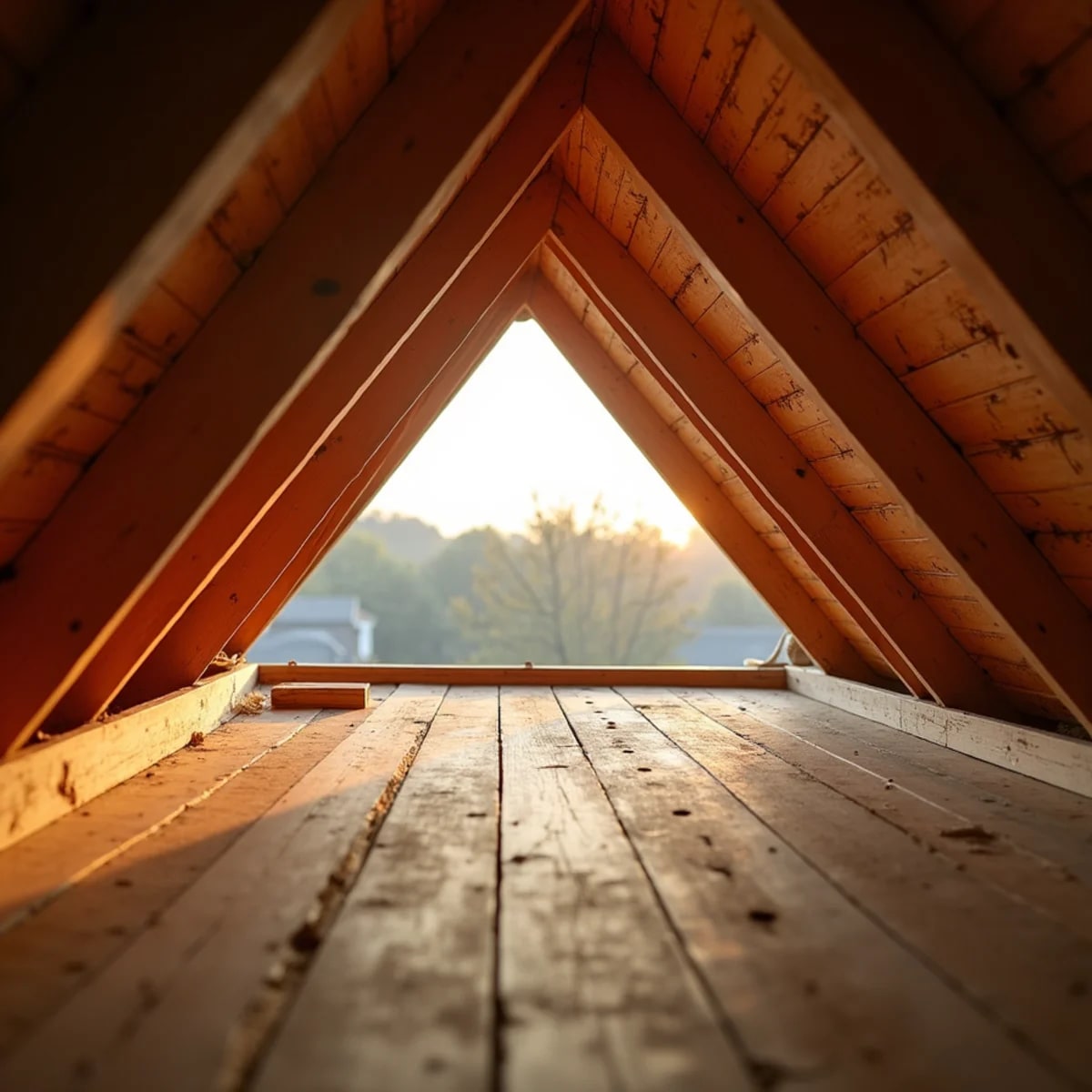
Ask most Fort Worth homeowners why their last roof only lasted 14 years when the shingle wrapper promised 30, and they'll blame the hail. Hail gets blamed for almost everything in North Texas — and to be fair, it earns some of it. But when we tear off a roof that failed a decade early and the shingles look cooked from underneath — curled, brittle, and shedding granules with no storm to explain it — the real culprit is almost always sitting quietly above your ceiling.
Attic ventilation is the most overlooked system on your entire house, and in the Texas heat it's the difference between a roof that lasts its full rated life and one that slowly bakes itself to death from the inside. Here's the hidden mechanism nobody explains at the sales table — and how to tell if it's shortening the life of the roof over your head right now.
The heat + moisture mechanics
A roof is a two-sided problem. Everyone worries about the top — sun, hail, wind — because that's the side you can see. The side that actually kills roofs early is the one you can't: the underside of the deck, facing down into your attic.
On a 100°F Fort Worth afternoon, the air inside a poorly vented attic can climb past 150°F. That superheated air has nowhere to go, so it presses against the underside of your roof deck and slow-cooks the shingles from below. Asphalt shingles are petroleum products — sustained heat drives the volatile oils out of them, and once those oils are gone the shingle turns brittle, curls at the edges, and starts losing the granules that shield it from UV. You bought a 30-year shingle and installed it over an oven.
The two-part attack: heat and moisture
Heat is only half the story. Every shower, load of laundry, and pot on the stove sends warm, moist air drifting upward. In a sealed attic that moisture condenses on framing and the cold underside of the deck — feeding wood rot, rusting nail heads, and matting down insulation until it stops insulating. A balanced ventilation system flushes both the heat and the humidity out continuously, 24 hours a day, with no moving parts and no electricity.
We can almost always read a roof's real cause of death at tear-off. Storm damage looks like impact. A ventilation death looks like the shingles cooked — and that one was preventable.— SkyCloak field crew
Signs of poor ventilation
You don't have to crawl into a 150-degree attic to spot the warning signs. Most of them show up where you can already see them:
- A second floor that never cools down. If upstairs runs hot no matter what the thermostat says, a superheated attic is radiating that heat straight down through the ceiling.
- Summer energy bills that keep climbing. A roasting attic forces your AC to fight the roof all day — many homeowners see cooling costs drop after ventilation is corrected.
- Curling, cupping, or blistering shingles, especially on a roof that isn't old and hasn't taken a major storm to explain the wear.
- A musty attic smell, water stains on the underside of the deck, or rusted nail tips poking through the plywood — all signs moisture is condensing where it shouldn't.
- Matted, discolored, or damp insulation, which has usually soaked up attic humidity and lost much of its R-value.
- Peeling paint or warped trim under the eaves, where trapped moisture works its way out through the fascia and soffit.
Ridge vs. soffit vs. powered vents
Here's the part that trips up even well-meaning roofers: ventilation only works as a balanced system. Air has to get in low and out high, or it doesn't move at all.
Soffit vents are the intake — the vents tucked under your eaves that let cool, fresh air enter at the bottom of the attic. Ridge vents are the exhaust — a continuous slot along the peak, hidden under the cap shingles, that lets the hottest air escape at the very top. Together they create a natural convection loop: hot air rises and exits the ridge, which pulls fresh air in through the soffits. No power, no maintenance, running every hour of every day.
Powered attic fans get marketed as an upgrade, and the idea of actively pumping heat out sounds appealing. In practice they're often the wrong tool for a Texas roof. If the attic isn't well sealed from the living space, a strong fan can pull your expensive air-conditioned air up through ceiling gaps and out the roof — running your AC harder while you also pay for the fan. With undersized intake, a powered fan can even draw air backward down the ridge or pull combustion gases from a gas water heater into the attic. For the vast majority of Fort Worth homes, a correctly balanced ridge-and-soffit system moves more air, costs nothing to run, and never breaks.
How we fix it during a replacement
The best time to correct attic ventilation is during a roof replacement, when the deck is already exposed and a proper intake-and-exhaust system can be built in for a fraction of what it costs as a standalone project. When we replace a roof, ventilation is never an afterthought — we calculate the net free area your attic actually needs, confirm the soffit intake is open and unblocked, and cut in continuous ridge venting sized to match. It's one of the quiet reasons a roof we install tends to reach the age it's rated for. (Curious how long that should be? We break it down in how long a roof lasts in Texas.)
If your roof still has years left but you suspect it isn't breathing, you don't need a replacement to find out. A free roof inspection includes a look at your attic ventilation — intake, exhaust, insulation, and any moisture damage already underway — so you know exactly where you stand. And if the roof is already near the end, a properly vented roof replacement is how you make sure the next one lasts every year you paid for.
Written by the SkyCloak Roofing & Solar team
Practical roofing advice from the Fort Worth crew that's actually up on the roof, led by owner Shawn Cummings. We write what we'd tell our own neighbors — no sales fluff. Meet the team →
Frequently Asked Questions
Related Reading
All articles Materials
How Long Does a Roof Last in Texas? (By Material)
Real-world roof lifespans for Texas homes, material by material — plus why our heat and hail shorten them, and how to squeeze every good year out of your roof.
Read article Storm Damage
Emergency Roof Tarping: What It Is, What It Costs, and When You Need It
A calm, safety-first guide to emergency roof tarping in Fort Worth — what a tarp actually protects, why you shouldn't climb a wet roof, what it costs, and how it fits your claim.
Read article Costs
CostsHow Much Does a Roof Replacement Cost in Fort Worth? (2026 Guide)
A clear, no-hype breakdown of what a new roof actually costs in Fort Worth in 2026 — by material, what moves the price, and how to get an exact number.
Read articleWhy homeowners trust us
Our Promise to You
No pressure, no gimmicks, no storm-chasing. Here's what every SkyCloak customer can count on — in writing.
- Free 21-point roof inspections
- Honest, repair-first recommendations
- Adjuster-ready photo documentation for claims
- In-house, background-checked crews
- Manufacturer warranties registered in your name
- Magnetic nail cleanup & final walkthrough
Fully Insured — General Liability Coverage
Proof of insurance provided before any work begins — just ask.
Free inspections
Put this advice to work on your roof
A free, no-pressure SkyCloak inspection turns everything you just read into a clear plan for your home — with photos and honest options.